
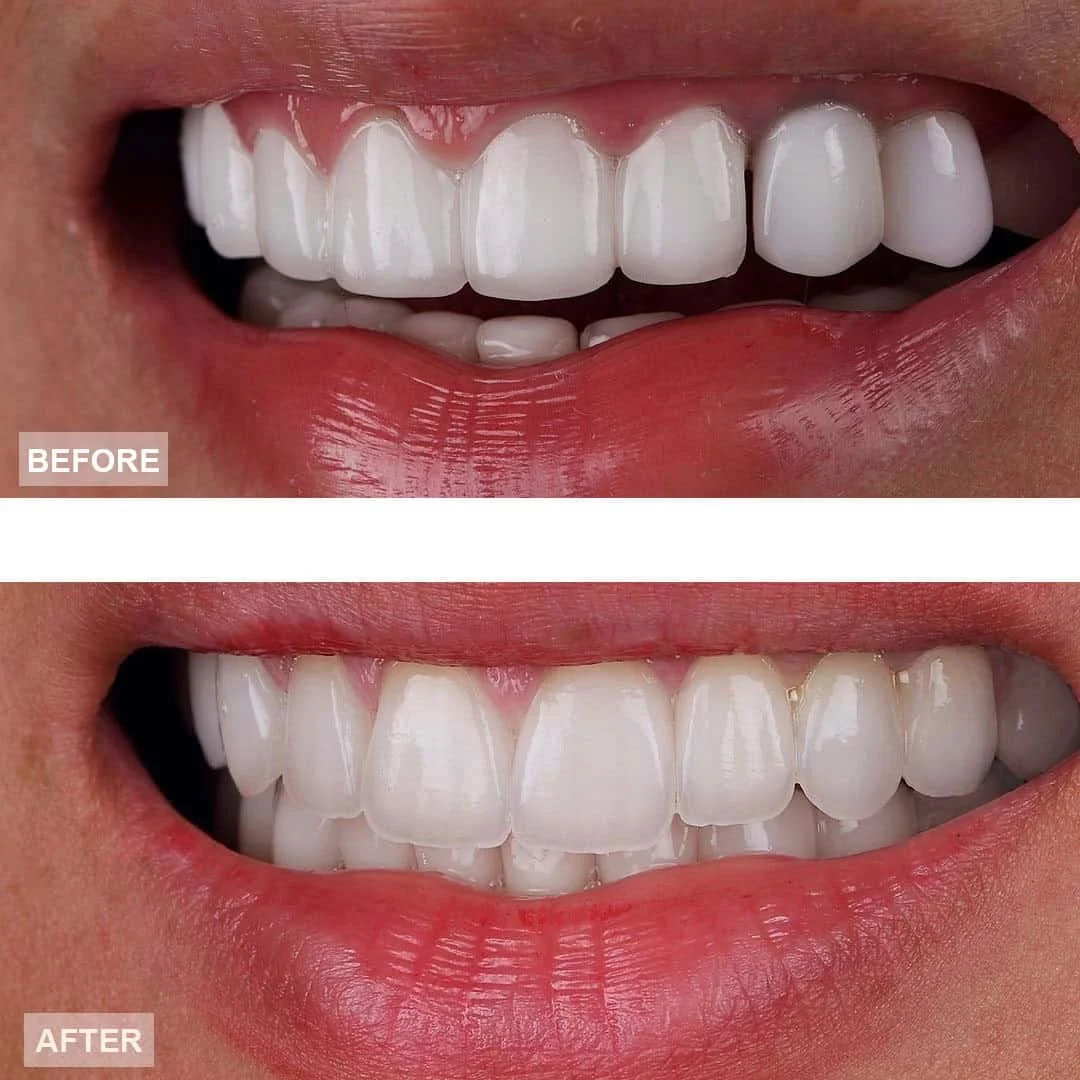
Are Veneers Right for Me?
A confident smile can transform the way you feel about yourself, but not everyone is sure if veneers are the right choice. At London Dental Centre, our skilled cosmetic dentists in London help patients determine whether veneers or composite bonding are the best solution for their dental goals.
Veneers are thin, custom-made shells that cover the front surface of teeth. They can correct discolouration, gaps, chips, and minor misalignment, delivering a natural-looking smile.
This guide will help you understand who can benefit from veneers, the types available, what to expect during treatment, and how to maintain your results.
Who Can Benefit from Veneers?
Veneers are suitable for many patients looking to improve their smile, but they are not a one-size-fits-all solution. Common situations where veneers may be ideal include:
Discoloured teeth: Stains that cannot be removed with whitening.
Chipped or broken teeth: Restores shape and strength.
Gaps between teeth: Small gaps can be closed with veneers.
Minor misalignment: Crooked teeth may be corrected without braces.
Worn teeth: Restores a youthful appearance after enamel erosion.
However, patients with significant bite problems, untreated gum disease, or severe decay may require alternative treatments before veneers.
Types of Veneers
Porcelain Veneers
Durable and long-lasting: Typically 10–15 years.
Highly aesthetic: Mimics natural teeth with light-reflecting qualities.
Customisable: Shape, colour, and translucency tailored for each patient.
Composite Veneers (Composite Bonding)
Less invasive: Usually minimal or no enamel removal.
Single-visit treatment: Often completed in one appointment.
Cost-effective: Ideal for minor imperfections.
Easily repairable: Chips or stains can be corrected without replacing the entire veneer.
Both options can create a natural, harmonious smile when performed by an experienced cosmetic dentist.
How to Determine if Veneers Are Right for You
Step 1: Initial Consultation
A comprehensive dental examination is essential. Your dentist will assess your oral health, discuss your goals, and explain the best options for your smile.
Step 2: Smile Design
Digital mock-ups or temporary veneers allow you to visualise the final result. This ensures the veneers will look natural and suit your face.
Step 3: Assessing Suitability
Your dentist will evaluate:
Enamel thickness and tooth structure
Gum health
Bite alignment
Oral hygiene habits
If veneers are suitable, a personalised treatment plan will be created. If not, alternatives such as composite bonding, teeth whitening, or orthodontic treatment like Invisalign may be recommended.
Step-by-Step Veneer Procedure
1. Tooth Preparation
Minimal enamel is removed for porcelain veneers. Composite veneers often require little to no preparation. Local anaesthetic ensures comfort.
2. Impressions and Fabrication
Impressions are taken for custom fabrication in a dental laboratory. Porcelain veneers are carefully crafted for perfect colour, shape, and fit.
3. Temporary Veneers (if required)
Temporary veneers protect teeth and help you visualise your new smile while permanent veneers are being prepared.
4. Placement
Veneers are bonded with a strong adhesive. Minor adjustments are made to ensure comfort, aesthetics, and a natural appearance.
5. Aftercare
Some mild sensitivity may occur initially. Regular dental hygiene and check-ups help maintain your veneers’ longevity and appearance.
Maintaining Your Veneers
Brush twice daily and floss daily.
Avoid biting hard objects like ice or nuts.
Attend regular dental hygiene appointments.
Consider night guards if you grind your teeth.
Avoid stain-causing habits like heavy coffee, tea, or smoking.
Proper care ensures your veneers remain natural-looking and durable for years.
Benefits of Choosing Veneers
Instant smile transformation: Correct multiple cosmetic issues at once.
Customised aesthetics: Designed to match your facial features.
Durable and reliable: Especially with porcelain veneers.
Minimally invasive: Preserves more natural tooth structure than crowns.
Boosts confidence: Enhances self-esteem and appearance.
FAQs About Veneers
Q: Are veneers permanent?
A: Porcelain veneers require enamel removal and are considered semi-permanent. Composite veneers are less invasive and can often be repaired or replaced.
Q: Are veneers painful?
A: The procedure is usually comfortable. Mild sensitivity may occur for a few days after placement.
Q: How long do veneers last?
A: Porcelain veneers: 10–15 years. Composite veneers: 5–7 years with proper care.
Q: Can I whiten my veneers?
A: Veneers do not respond to whitening. Your dentist will match veneers to your desired shade during planning.
Q: Who is not suitable for veneers?
A: Patients with untreated gum disease, severe decay, or major bite problems may require alternative treatments.
Is Veneers Treatment Right for You?
Veneers are ideal for patients looking to enhance their smile, correct cosmetic imperfections, or boost confidence. However, a thorough consultation with an experienced cosmetic dentist in London is essential to determine suitability.
At London Dental Centre, we offer personalised treatment plans, combining porcelain veneers, composite bonding, and Invisalign where needed to achieve natural, beautiful results.
Book Your Consultation
If you are considering veneers and want to know if they are right for you, book a consultation at London Dental Centre in Islington today. Our experienced team will guide you through the process, from assessment to aftercare, ensuring a comfortable, safe, and rewarding experience.
Call or book online today to take the first step toward your ideal smile.