
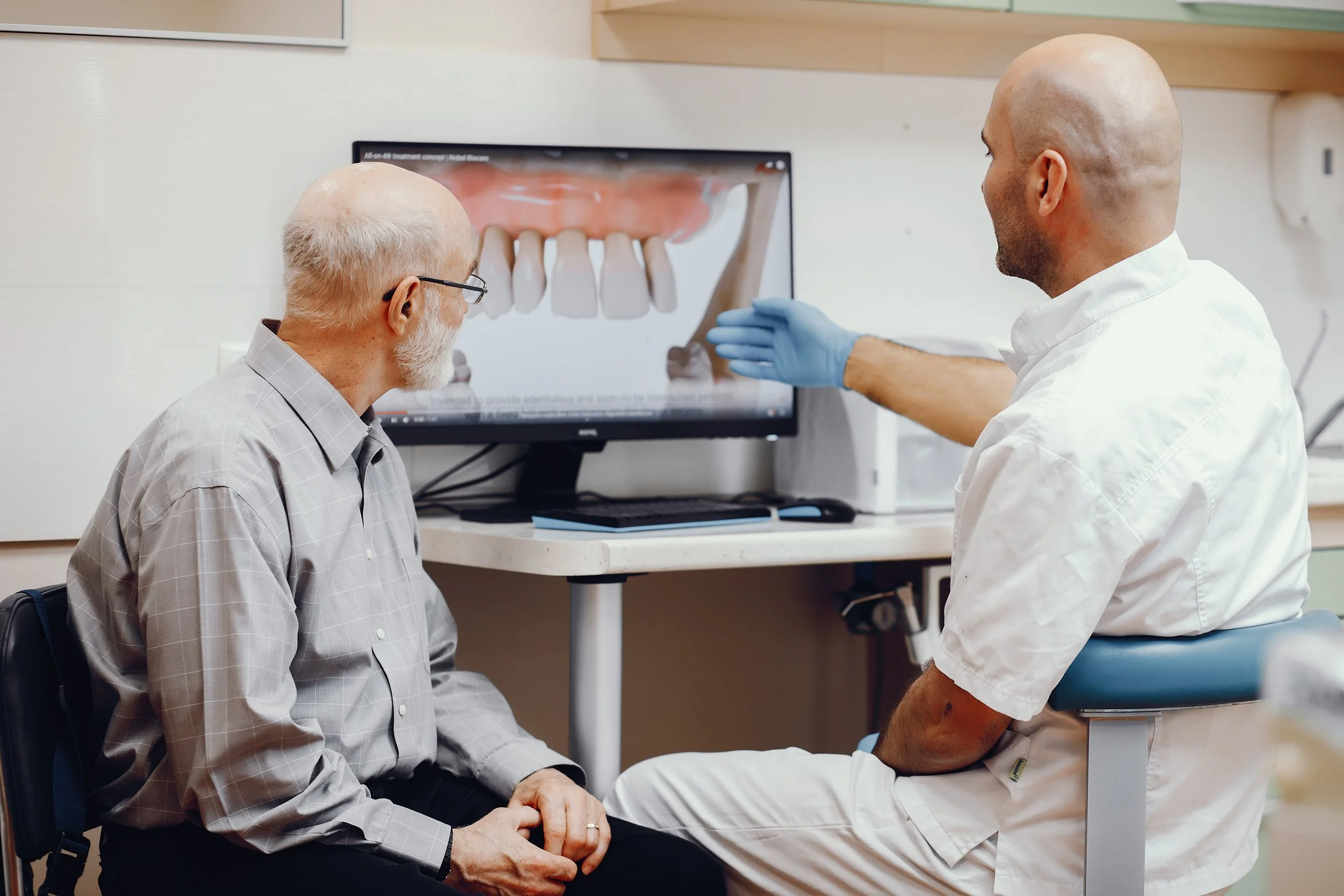
Dental Implants vs Bridges
Missing teeth can affect your confidence, oral health, and ability to chew properly. Two common solutions for replacing missing teeth are dental implants and dental bridges. Understanding the differences between them is essential to make an informed decision.
At London Dental Centre, our experienced cosmetic dentists in London help patients choose the most suitable treatment. With over 15 years in Islington, we offer personalised care that combines restorative and cosmetic dentistry, including veneers, porcelain veneers, Invisalign, and composite bonding to optimise your smile.
Understanding Dental Implants
A dental implant is a titanium post surgically placed into the jawbone to replace a missing tooth root. Once healed, a crown is attached to restore the appearance and function of the tooth.
Benefits of Dental Implants
Longevity – Implants can last decades with proper care.
Bone Preservation – Implants prevent bone loss in the jaw.
Natural Function – Chewing and speaking feel like natural teeth.
Independent Support – Adjacent teeth remain untouched.
Considerations
Requires minor surgery
Longer healing time than bridges
Higher initial cost, but cost-effective over time
Dental implants are ideal for patients seeking a permanent, natural-looking solution and are often combined with veneers or composite bonding to enhance surrounding teeth.
Understanding Dental Bridges
A dental bridge replaces missing teeth by anchoring a false tooth (pontic) to adjacent natural teeth. Traditional bridges require filing down healthy neighbouring teeth to support the bridge.
Benefits of Dental Bridges
Faster Procedure – Usually completed in 1–2 visits
Non-Surgical – No need for implants or bone grafting
Aesthetic Improvement – Restores smile quickly
Considerations
Can affect healthy adjacent teeth
Does not prevent bone loss in the jaw
May need replacement every 5–15 years
Bridges are a practical choice for patients who want quicker results or may not be suitable candidates for implants due to bone density or medical conditions.
Key Differences: Dental Implants vs Bridges
Feature Dental Implants Dental Bridges Longevity Often 20+ years 5–15 years Effect on Adjacent Teeth None Requires filing down healthy teeth Bone Health Preserves bone Does not prevent bone loss Procedure Surgical placement Non-surgical, quicker Cost Higher initial cost Lower initial cost Appearance Very natural Can be natural-looking but may require adjustments
Understanding these differences helps patients at London Dental Centre make an informed choice that balances aesthetics, functionality, and long-term oral health.
Which Option is Right for You?
Choosing between dental implants and bridges depends on several factors:
Oral Health – Adequate bone and healthy gums favour implants.
Number of Missing Teeth – Multiple missing teeth may be better supported by implants.
Timeframe – Bridges are faster to place, ideal for immediate aesthetics.
Budget – Implants have a higher upfront cost but are more durable long-term.
Lifestyle – Implants function like natural teeth, supporting an active lifestyle.
Our cosmetic dentists in London offer comprehensive consultations to assess your teeth, gums, and jawbone. They provide personalised recommendations and may combine treatments such as veneers, porcelain veneers, or Invisalign to achieve a complete, harmonious smile.
Recovery and Aftercare
Dental Implants
Initial healing: 1–2 weeks
Osseointegration (fusion with bone): 3–6 months
Pain managed with OTC or prescribed medication
Soft food diet and careful oral hygiene essential
Dental Bridges
Minimal discomfort after placement
Usually completed within a few weeks
Good oral hygiene prevents decay around supporting teeth
Regular check-ups to maintain longevity
Post-treatment care is critical to long-term success, whether you choose implants or bridges.
FAQs: Dental Implants vs Bridges
Q: Are implants or bridges more painful?
A: Dental implants involve minor surgery, so initial discomfort may be higher than bridges. However, pain is manageable with medication, and most patients report minimal long-term discomfort.
Q: How long do dental bridges last compared to implants?
A: Bridges typically last 5–15 years, whereas implants can last 20 years or more with proper care.
Q: Can I get a bridge if I don’t have enough bone for implants?
A: Yes. Bridges are a non-surgical option suitable for patients with insufficient bone density.
Q: Do implants affect adjacent teeth?
A: No. Implants are independent and do not require altering neighbouring teeth.
Q: Can I combine implants with cosmetic treatments?
A: Absolutely. At London Dental Centre, implants are often complemented with veneers, porcelain veneers, Invisalign, or composite bonding for an optimal smile.
Making the Right Choice
Both dental implants and bridges restore function and aesthetics for missing teeth. Implants offer superior longevity, bone preservation, and natural function, while bridges provide a quicker, non-surgical solution.
At London Dental Centre, we prioritise personalised treatment plans, taking into account your oral health, lifestyle, and aesthetic goals. Our skilled cosmetic dentists in London combine restorative and cosmetic dentistry to provide results that are both functional and visually pleasing.
Book a Consultation Today
Discover whether dental implants or bridges are right for you. Our team in Islington will guide you through every step, ensuring comfort, safety, and a beautiful smile. Contact London Dental Centre today to schedule your consultation and start your journey to a confident, healthy smile.