
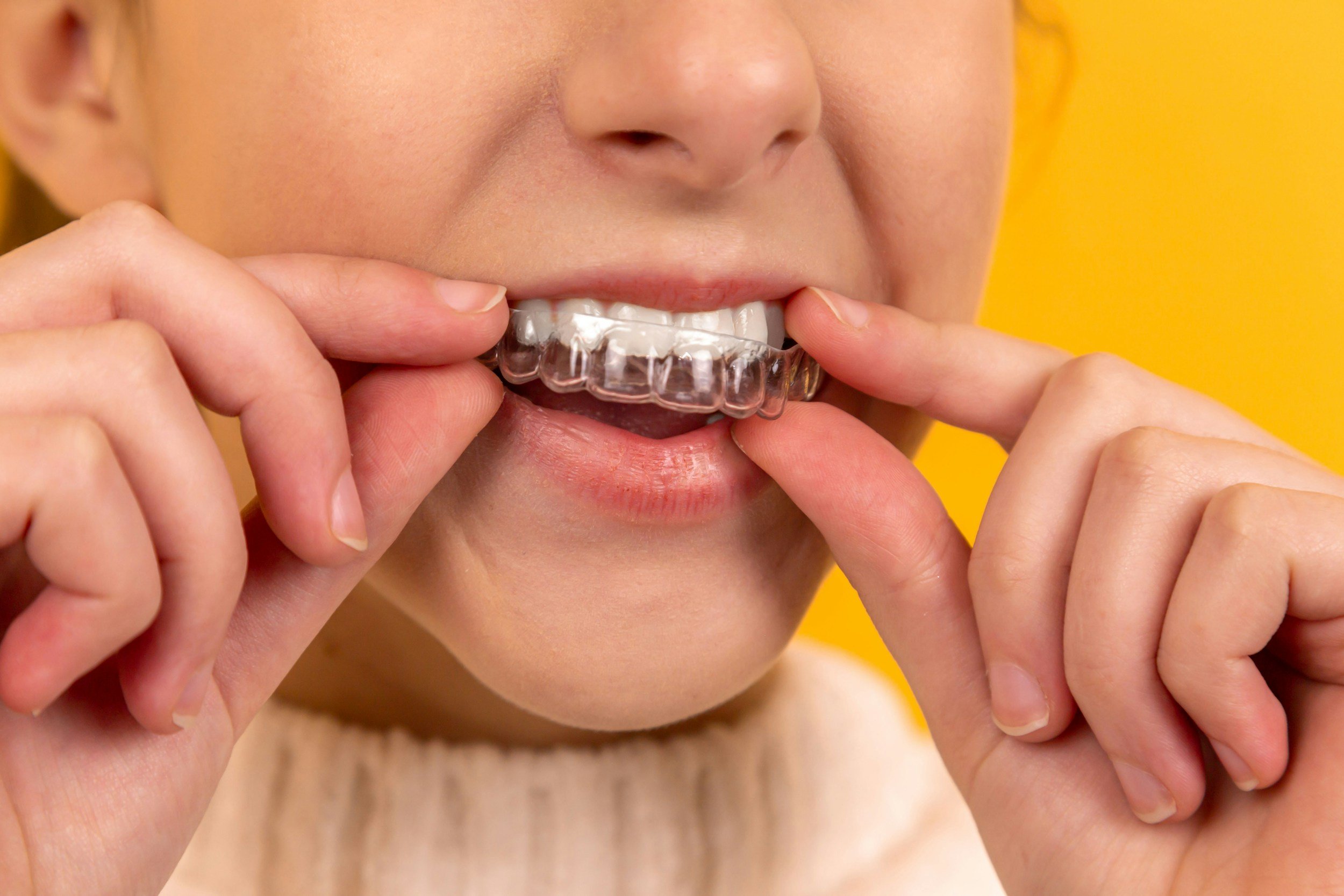
Invisalign Suitability Assessment
Choosing Invisalign is not just about wanting straighter teeth. It is about understanding whether the treatment is suitable for your smile, your bite and your long term dental health.
At London Dental Centre in Islington, every Invisalign journey begins with a detailed suitability assessment. This ensures the treatment is safe, effective and aligned with your cosmetic goals.
If you are considering Invisalign in London, this guide explains what an Invisalign suitability assessment involves, who Invisalign is best suited for and how it fits alongside veneers, porcelain veneers and composite bonding.
Why an Invisalign suitability assessment matters
Invisalign is a powerful orthodontic system, but it is not a one size fits all solution. Teeth move in response to carefully controlled forces, and each mouth responds differently.
A suitability assessment allows your cosmetic dentist to evaluate whether Invisalign can deliver predictable and stable results. It also helps avoid unrealistic expectations or incomplete outcomes.
This process protects your oral health and ensures your investment in Invisalign delivers long term value.
What happens during an Invisalign suitability assessment
An Invisalign suitability assessment is a comprehensive review of your teeth, gums and bite. It goes far beyond a quick visual check.
Your dentist will examine alignment, spacing, crowding and tooth rotation. The health of the gums and supporting bone is also assessed, as these structures are essential for safe tooth movement.
Digital scans or impressions are used to create an accurate picture of your current smile. These scans help determine how teeth can move and where limitations may exist.
Who is suitable for Invisalign treatment
Invisalign is suitable for many patients, but not everyone. Understanding candidacy is a key part of the assessment process.
Mild to moderate alignment issues
Invisalign is particularly effective for mild to moderate crowding and spacing. Patients with overlapping teeth, small gaps or minor bite discrepancies often achieve excellent results.
These cases tend to move predictably and comfortably with clear aligners.
Adults seeking discreet orthodontic care
Many Invisalign patients are adults who want a subtle treatment option. Invisalign aligners are clear and fit well into professional and social lifestyles.
A suitability assessment confirms whether aligners can deliver the required movements without fixed braces.
Patients planning cosmetic treatments
Invisalign is often recommended before veneers, porcelain veneers or composite bonding. Straighter teeth create a better foundation for cosmetic dentistry.
The assessment helps plan Invisalign as part of a wider smile makeover, ensuring results look natural and balanced.
When Invisalign may not be suitable
Not all orthodontic concerns can be corrected with Invisalign alone. Identifying limitations early is an important part of the assessment.
Severe bite issues or significant jaw discrepancies may require alternative orthodontic approaches. In some cases, fixed braces or referral to a specialist may be recommended.
Active gum disease must also be addressed before Invisalign begins. Healthy gums are essential for safe tooth movement.
Your dentist will explain these factors clearly and honestly during the assessment.
Invisalign and bite evaluation
A detailed bite analysis is central to Invisalign suitability. Your dentist will assess how your teeth come together when biting and chewing.
Overbites, underbites and crossbites can often be improved with Invisalign, depending on severity. The assessment determines whether aligners can correct the bite safely.
This step ensures Invisalign improves both appearance and function.
The role of digital planning in suitability
Digital planning plays a crucial role in Invisalign assessment. Using advanced scanning technology, your dentist can simulate tooth movement before treatment begins.
This allows realistic outcomes to be discussed and refined. It also helps identify potential challenges early in the process.
Seeing a digital preview helps patients understand what Invisalign can and cannot achieve.
Invisalign suitability and gum health
Healthy gums are essential for Invisalign success. During the assessment, your dentist will check for signs of gum disease or inflammation.
If periodontal concerns are present, treatment may be recommended before Invisalign begins. This ensures teeth can move safely and comfortably.
At London Dental Centre, periodontal care is available alongside Invisalign, allowing treatment to be coordinated effectively.
Invisalign suitability for complex cosmetic cases
Some patients seek Invisalign as part of a full smile transformation. This may involve Invisalign followed by veneers or composite bonding.
The assessment considers tooth size, shape and proportions, not just alignment. Invisalign may be used to create symmetry before cosmetic refinements are applied.
This planning stage is essential for achieving natural looking results.
Lifestyle considerations during assessment
Invisalign requires commitment. During the suitability assessment, your dentist will discuss lifestyle factors such as work patterns, travel and daily routines.
Aligners must be worn for most of the day to be effective. Understanding whether this fits your lifestyle helps ensure treatment success.
This honest discussion is a key part of responsible Invisalign planning.
Invisalign suitability for teenagers
Invisalign can also be suitable for teenagers, depending on dental development and compliance.
The assessment evaluates whether teeth have erupted fully and whether aligners are a realistic option. Parental involvement is often part of this process.
Invisalign versus other orthodontic options
During your suitability assessment, Invisalign may be compared with other orthodontic treatments. This ensures you understand all available options.
Some cases benefit more from fixed braces, while others are ideal for Invisalign. The goal is always to recommend the most effective solution for your needs.
Invisalign suitability and long term stability
Long term stability is an important part of Invisalign assessment. Teeth have a natural tendency to move over time.
Your dentist will discuss retention options and long term maintenance. This ensures the results achieved with Invisalign are preserved.
Suitability includes planning beyond the active treatment phase.
FAQs
How long does an Invisalign suitability assessment take
Most assessments take around 30 to 45 minutes, depending on complexity.
Does a suitability assessment mean I must start treatment
No. The assessment provides information so you can make an informed decision.
Can I have Invisalign if I have crowns or fillings
In many cases, yes. Your dentist will assess existing dental work carefully.
Is Invisalign suitable if I want veneers later
Yes. Invisalign is often used before veneers or porcelain veneers for optimal results.
What if Invisalign is not suitable for me
Your dentist will explain alternative options and next steps clearly.
Why choose London Dental Centre for your Invisalign assessment
London Dental Centre has been providing dental care in Islington for over 15 years. Our clinic offers Invisalign alongside cosmetic dentistry, general dentistry, oral surgery and periodontal treatment.
This integrated approach allows Invisalign suitability to be assessed thoroughly and honestly. Treatment plans are created with long term health and aesthetics in mind.
We believe in clear communication, realistic outcomes and patient focused care.
Book your Invisalign suitability assessment today
If you are considering Invisalign and want expert advice, book your Invisalign suitability assessment at London Dental Centre in Islington.
Our experienced team will assess your smile, explain your options and help you decide whether Invisalign is the right choice for you. Contact us today to begin your journey towards straighter teeth with confidence.