
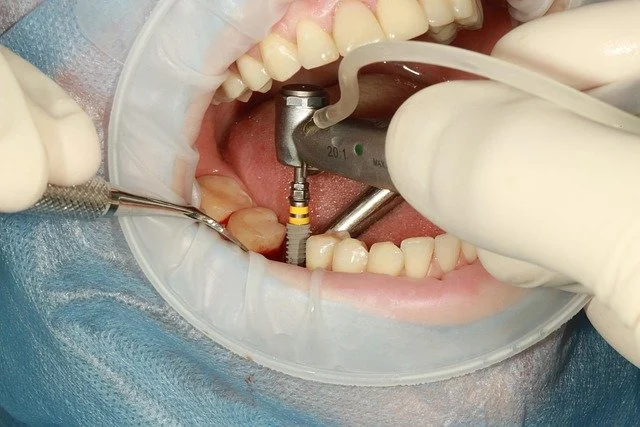
Multiple Dental Implants
Losing multiple teeth can affect your confidence, speech, and chewing ability. Multiple dental implants offer a reliable, long-lasting solution for patients missing several teeth, providing both function and aesthetics.
At London Dental Centre, our experienced team of cosmetic dentists in London has been delivering transformative smiles in Islington for over 15 years. Beyond implants, we offer a full range of cosmetic treatments including veneers, porcelain veneers, Invisalign, and composite bonding, to create smiles that are healthy, natural, and beautiful.
What Are Multiple Dental Implants?
Multiple dental implants involve placing two or more titanium implants into the jawbone to replace missing teeth. These implants act as artificial roots, supporting crowns, bridges, or full-arch prostheses.
Unlike traditional dentures, which rest on the gums and can slip or cause discomfort, implants integrate with the jawbone for a stable and permanent solution. This approach preserves bone structure, maintains facial contours, and improves chewing efficiency.
Benefits of Multiple Dental Implants
Permanent and stable – implants do not shift or fall out
Improved oral function – allows normal chewing and speaking
Bone preservation – prevents jawbone deterioration
Natural appearance – custom-made prosthetics match your existing teeth
Boosts confidence – restores your smile and facial structure
The Multiple Dental Implant Process
Successfully replacing multiple teeth with implants requires a structured and personalised approach.
1. Initial Consultation
Your treatment begins with a consultation where your cosmetic dentist in London will:
Examine your oral health, including gums and bone density
Take 3D scans, X-rays, and impressions
Discuss your goals, expectations, and treatment options
This ensures the procedure is tailored to your needs, balancing aesthetics and function.
2. Treatment Planning
Based on your oral assessment:
The number and positioning of implants are determined
Decisions are made regarding prosthesis type – single crowns, implant-supported bridges, or hybrid prostheses
Cosmetic enhancements, such as veneers or composite bonding, are incorporated if needed
A detailed plan improves implant success and ensures a natural-looking smile.
3. Implant Placement
The implants are surgically placed into the jawbone under local anaesthetic or sedation. Key points include:
Strategic positioning for stability and optimal load distribution
Temporary teeth may be provided immediately to maintain function and aesthetics
Bone grafting may be necessary for patients with insufficient bone
The surgery is precise and minimally invasive, prioritising patient comfort.
4. Healing and Osseointegration
After surgery, the implants undergo osseointegration, where they fuse with the jawbone over 3–6 months. Temporary prosthetics allow patients to continue normal activities while the implants heal securely.
5. Final Prosthetic Attachment
Once fully integrated:
Permanent crowns, bridges, or dentures are attached
Prosthetics are customised in colour, shape, and size for a natural appearance
Cosmetic treatments like veneers, porcelain veneers, or composite bonding can further refine your smile
The final result is a strong, functional, and natural-looking set of teeth.
Advantages Over Partial Dentures
Replacing multiple teeth with implants offers several benefits over removable dentures:
Permanent stability – no need for adhesives or adjustments
Bone maintenance – implants stimulate the jawbone, reducing resorption
Improved aesthetics – prosthetics are designed to match natural teeth
Enhanced chewing ability – restores nearly full function
Long-term reliability – implants can last decades with proper care
Aftercare and Maintenance
Maintaining multiple dental implants is critical to ensure their longevity:
Brush and floss daily, especially around the implant sites
Attend regular dental check-ups and professional cleanings
Avoid chewing excessively hard foods that may damage crowns
Monitor gum health and report any discomfort or loosening
With proper care, implants can function effectively for 20–30 years or more.
FAQs: Multiple Dental Implants
Q: Am I suitable for multiple dental implants?
A: Candidates should have good oral health, adequate jawbone, and no uncontrolled medical conditions. Bone grafting may be advised if required.
Q: Is the procedure painful?
A: Surgery is performed under anaesthetic or sedation. Post-operative discomfort is normal and manageable with medication.
Q: How long do multiple implants last?
A: With good care, implants can last 20–30 years or more. Prosthetic crowns may require replacement over time.
Q: Can I eat normally after treatment?
A: Yes, implants restore chewing efficiency to near-natural levels.
Q: How soon will I have functional teeth?
A: Temporary prosthetics are often fitted immediately, allowing you to leave with a functional smile.
Why Choose London Dental Centre
At London Dental Centre, we combine advanced implant technology with cosmetic expertise to restore function and beauty. Our services include:
Multiple dental implants for replacing several teeth
Cosmetic dentistry, including veneers, porcelain veneers, Invisalign, and composite bonding
Personalised treatment plans for each patient
Over 15 years of experience serving Islington patients
Our focus is on comfort, precision, and delivering natural, long-lasting results.
Book Your Multiple Dental Implant Consultation Today
If you are missing several teeth and considering multiple dental implants in London, contact London Dental Centre to schedule a consultation. Our skilled cosmetic dentists will guide you through every step, helping you regain a confident, healthy, and natural-looking smile.