
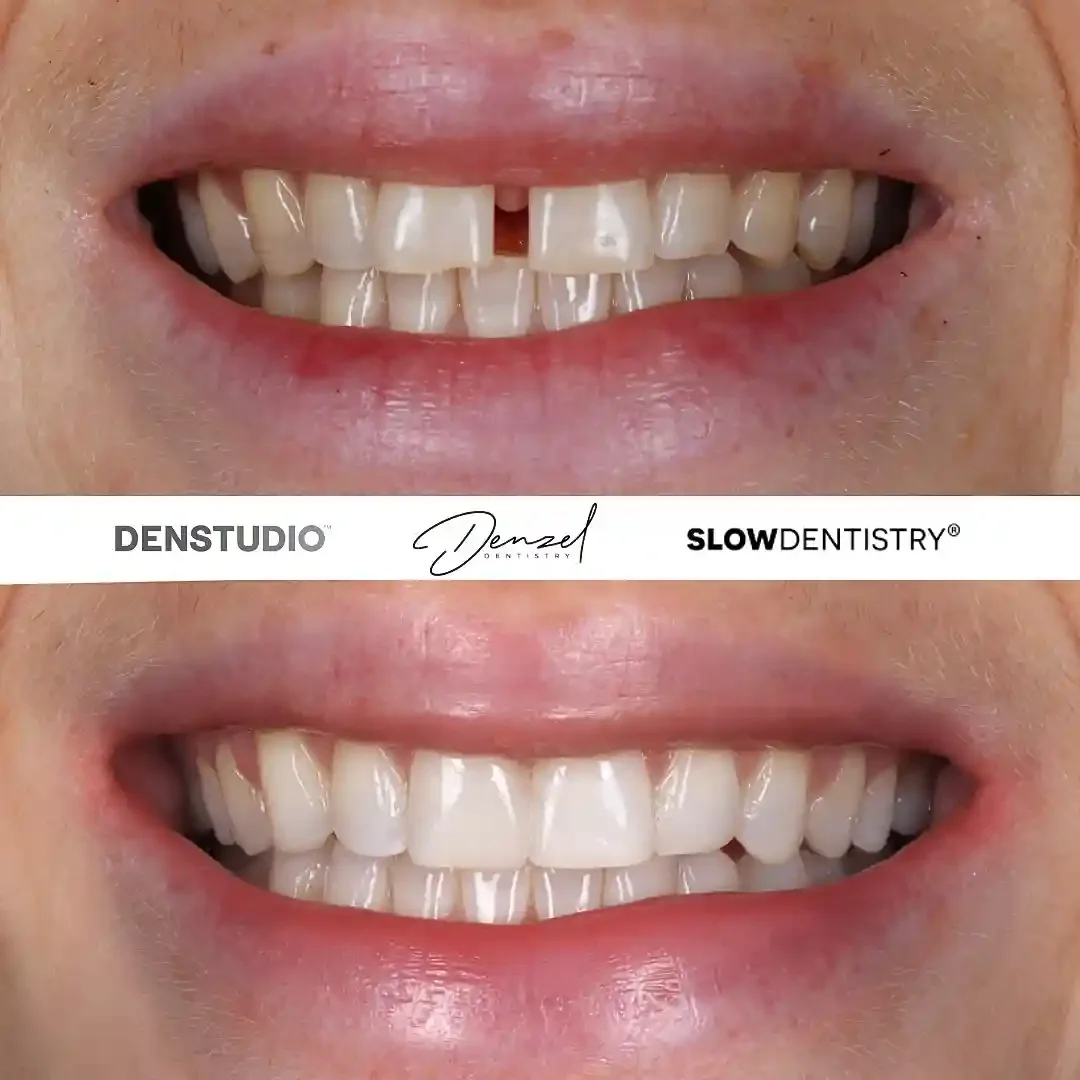
Veneers for Gaps and Uneven Teeth
A confident smile can transform the way you feel about yourself. Many people struggle with gaps, misalignment, or uneven teeth, which can affect both aesthetics and oral health. Modern cosmetic dentistry offers a solution: veneers for gaps and uneven teeth.
At London Dental Centre, our experienced cosmetic dentists in London use advanced techniques to create natural-looking, durable smiles with porcelain veneers or composite bonding, personalised for each patient.
This guide explains how veneers work for gaps and uneven teeth, what to expect during treatment, and how to care for your new smile.
Understanding Veneers
Veneers are thin shells bonded to the front surface of teeth to improve shape, size, colour, and alignment. They can correct:
Small gaps between teeth (diastemas)
Slightly crooked or uneven teeth
Chipped or worn edges
Discoloured or stained teeth
Types of veneers:
Porcelain veneers – Highly durable, stain-resistant, and natural-looking. Ideal for significant smile transformations.
Composite bonding veneers – Less invasive, more affordable, and easy to repair. Suitable for minor gaps or reshaping.
How Veneers Close Gaps
Veneers can be customised to fill small spaces between teeth, creating a balanced smile. The dentist carefully selects the shape and thickness to ensure:
Symmetry with surrounding teeth
Natural appearance
Comfortable bite alignment
This treatment is often quicker and less invasive than orthodontics for small gaps, making it a popular choice for adults seeking instant smile improvement.
Correcting Uneven Teeth with Veneers
Uneven teeth can result from natural development, wear, or trauma. Veneers can address:
Teeth that are slightly misaligned
Different tooth lengths
Irregular shapes
By covering the teeth with precisely shaped veneers, London Dental Centre ensures a harmonious, uniform smile while maintaining a natural look.
The Veneers Treatment Process
Step 1: Consultation and Assessment
The dentist evaluates your oral health, discusses your smile goals, and recommends the best veneer type.
Step 2: Smile Design
Advanced imaging and digital mock-ups allow you to preview your new smile. Adjustments are made to achieve natural proportions and symmetry.
Step 3: Preparation
For porcelain veneers, a small amount of enamel may be removed. Composite veneers often require minimal preparation.
Step 4: Veneer Placement
The veneers are bonded to the teeth using strong dental adhesive. The dentist ensures proper alignment, bite, and comfort.
Step 5: Aftercare Advice
Your dentist provides instructions to maintain the veneers, including hygiene practices and what to avoid for long-lasting results.
Advantages of Veneers for Gaps and Uneven Teeth
Quick results compared with braces or aligners
Customisable shapes and shades for a natural appearance
Durable and stain-resistant, particularly porcelain veneers
Minimally invasive, especially composite options
Improved confidence and aesthetics
Caring for Your Veneers
Proper maintenance prolongs the lifespan of your veneers:
Brush twice daily with a soft-bristled toothbrush
Floss gently to prevent plaque build-up
Avoid biting hard objects like ice or pens
Schedule regular dental check-ups for cleaning and inspection
Use alcohol-free mouthwash to protect bonding material
With care, porcelain veneers can last 10–15 years, while composite veneers last 5–7 years.
Who is a Good Candidate?
Veneers are ideal for patients with:
Small gaps between teeth
Slightly uneven or misshaped teeth
Healthy teeth and gums
Desire for immediate smile improvement
Patients with severe misalignment or bite issues may need orthodontic treatment first. A consultation at London Dental Centre determines the most suitable approach.
FAQs: Veneers for Gaps and Uneven Teeth
Q: Will veneers feel natural?
A: Yes, when placed correctly, veneers feel smooth and look natural. Most patients quickly adjust to their new teeth.
Q: Are veneers painful?
A: The process is generally comfortable. Some patients may experience mild sensitivity for a few days.
Q: Can veneers be removed?
A: Porcelain veneers are permanent once bonded. Composite veneers are reversible but designed for longevity.
Q: How long does treatment take?
A: Composite veneers can be completed in one visit. Porcelain veneers usually require 2–3 appointments over a few weeks.
Q: Can I whiten my veneers?
A: Porcelain veneers do not respond to whitening treatments. Composite veneers may stain slightly over time but can be polished.
Book Your Veneers Consultation in London
If you’re looking to close gaps or correct uneven teeth, veneers are a safe and effective solution. At London Dental Centre, our cosmetic dentists in London provide personalised veneer treatments, using porcelain or composite materials for a natural, lasting smile.
Call today or book online to schedule your veneers consultation and take the first step toward a confident, radiant smile.